England
Norfolk & Suffolk
A different side of England
Whenever I spend time away from Norfolk, one of the things I miss most is the sky.
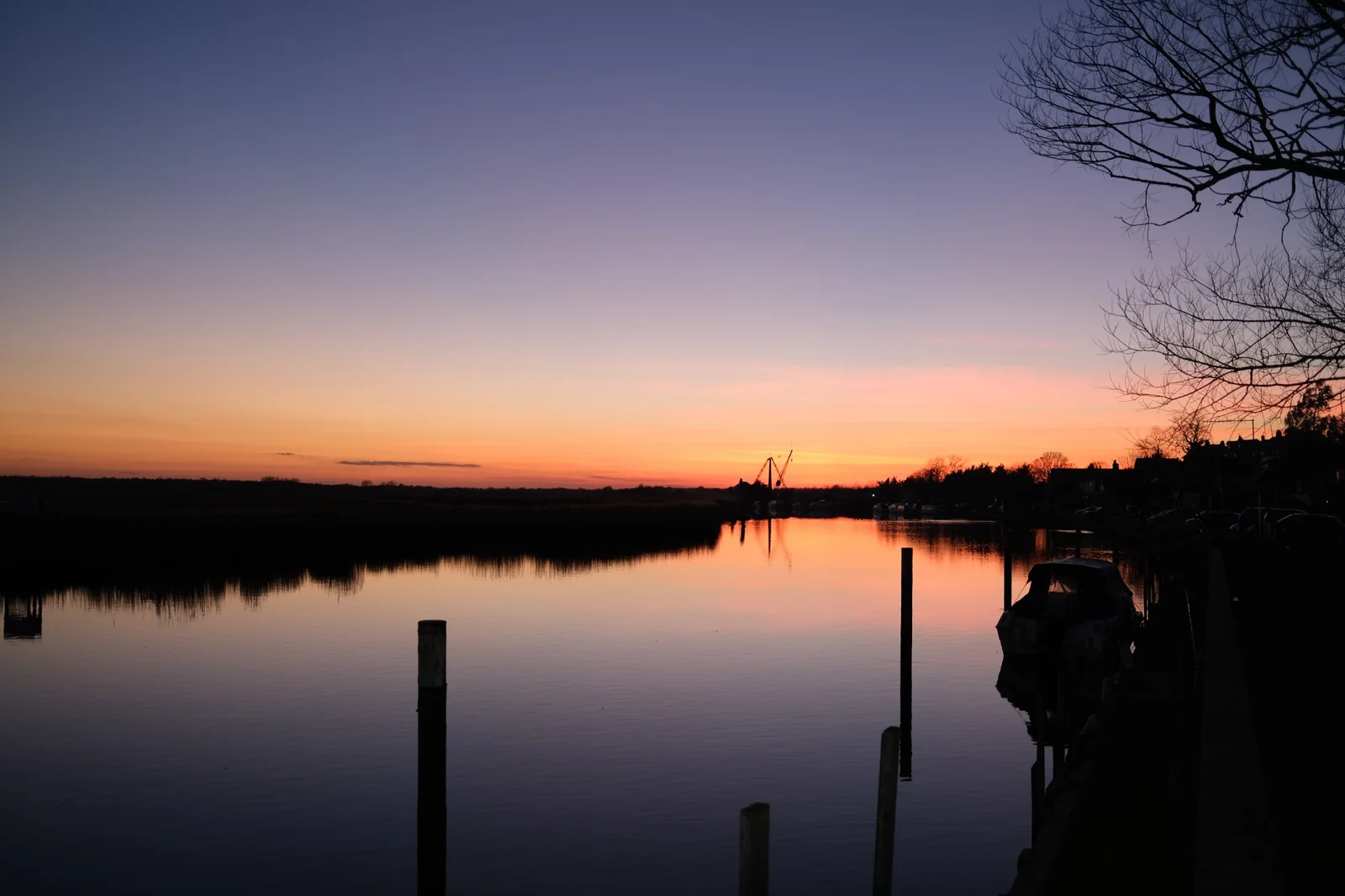
There is a particular sense of space here. Wide horizons, enormous skies and a light that seems to change by the minute. On the marshes, the land stretches away almost without interruption, and even familiar places can look quite different from one day to the next.
It is part of what makes this corner of England so special to me.
Norfolk and Suffolk lie on England's eastern side, away from many of the country's best-known tourist routes. They are counties of winding rivers, quiet coastal creeks, historic towns, magnificent country houses and working countryside. The landscape is gentle rather than dramatic, but there is extraordinary variety here for those who take the time to explore it.
And perhaps best of all, there are the people who call it home.
The coast and its changing tides
The North Norfolk coast has a character quite unlike anywhere else in England.
At Wells-next-the-Sea, fishing boats and sailing craft lie alongside the quay, while beyond the harbour a vast beach stretches towards the sea. Nearby Holkham is famous for its sweeping sands, backed by pine woods, dunes and grazing marshes. Further along the coast, Blakeney's creeks and salt marshes provide a haven for birds and other wildlife.
This is a coast shaped by the tides. Channels appear and disappear, mudflats give way to open water, and the changing light brings an endless variety of colours to the landscape.
Suffolk has a different coastal character. At Aldeburgh, fishing boats are drawn up onto the shingle beach, while Southwold retains the charm of a traditional English seaside town. Orford, with its castle, old quay and remarkable coastal landscape, feels a world away from the busier resorts.
There are wonderful places to walk, watch wildlife, enjoy fresh seafood or simply spend an afternoon beside the water.
Rivers, sailing and the Norfolk Broads
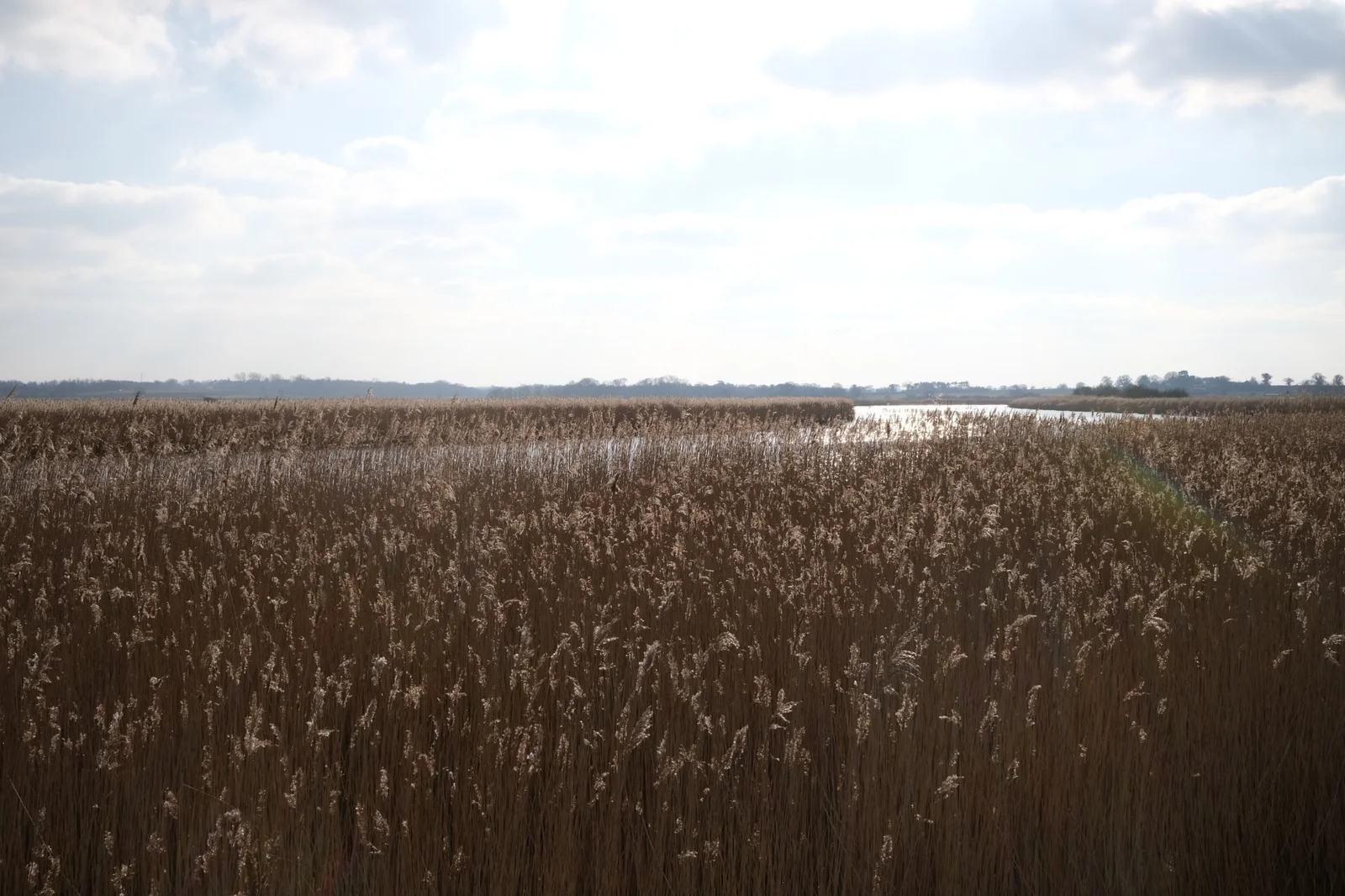
Inland, the Norfolk and Suffolk Broads form a remarkable landscape of rivers, shallow lakes, reedbeds and grazing marshes.
Traditional sailing boats remain part of life here, and there are few better ways to appreciate the landscape than from the water. Leaving a riverside village behind, the view opens towards reed-fringed channels, distant church towers and great expanses of sky.
The Broads have a rich history, shaped by centuries of peat cutting, agriculture, fishing and navigation. Today they are internationally important for wildlife and remain one of England's most distinctive places to explore by boat.
Whether under sail or enjoying a quiet stretch of river, there is something deeply satisfying about travelling through the countryside at the pace of the water.
Centuries of English history
The region's quiet rural character conceals an extraordinary history.
Norwich was once one of England's most important medieval cities. Its great Norman castle, originally built as a royal palace, stands above a city of ancient churches, winding streets, historic marketplaces and remarkable architecture. Norwich Cathedral, with its soaring spire and beautiful cloisters, is another reminder of the city's wealth and importance.
It is also a lively, independent city, with excellent places to eat, interesting shops and a thriving cultural life.
Beyond Norwich are some of England's finest historic country houses.
Blickling Hall, with its Jacobean architecture and connections to the Boleyn family, is surrounded by parkland and gardens. Holkham Hall is one of the great Palladian houses of England, while moated Oxburgh Hall offers a fascinating glimpse into the lives of a family whose history reaches back to the fifteenth century.
There is a royal connection too. Sandringham has been a private country retreat of the British Royal Family for generations, and its house, gardens and wider estate are closely associated with royal life in Norfolk.
Suffolk has an equally rich architectural inheritance. The prosperous medieval wool trade left towns and villages filled with remarkable buildings. Lavenham, with its timber-framed houses and winding streets, is one of the finest surviving examples, while Long Melford and nearby villages tell their own stories of the region's past.
These are not simply monuments to English history. They are part of the landscape and communities that surround them, and each offers something different to discover.
A countryside that is still lived in
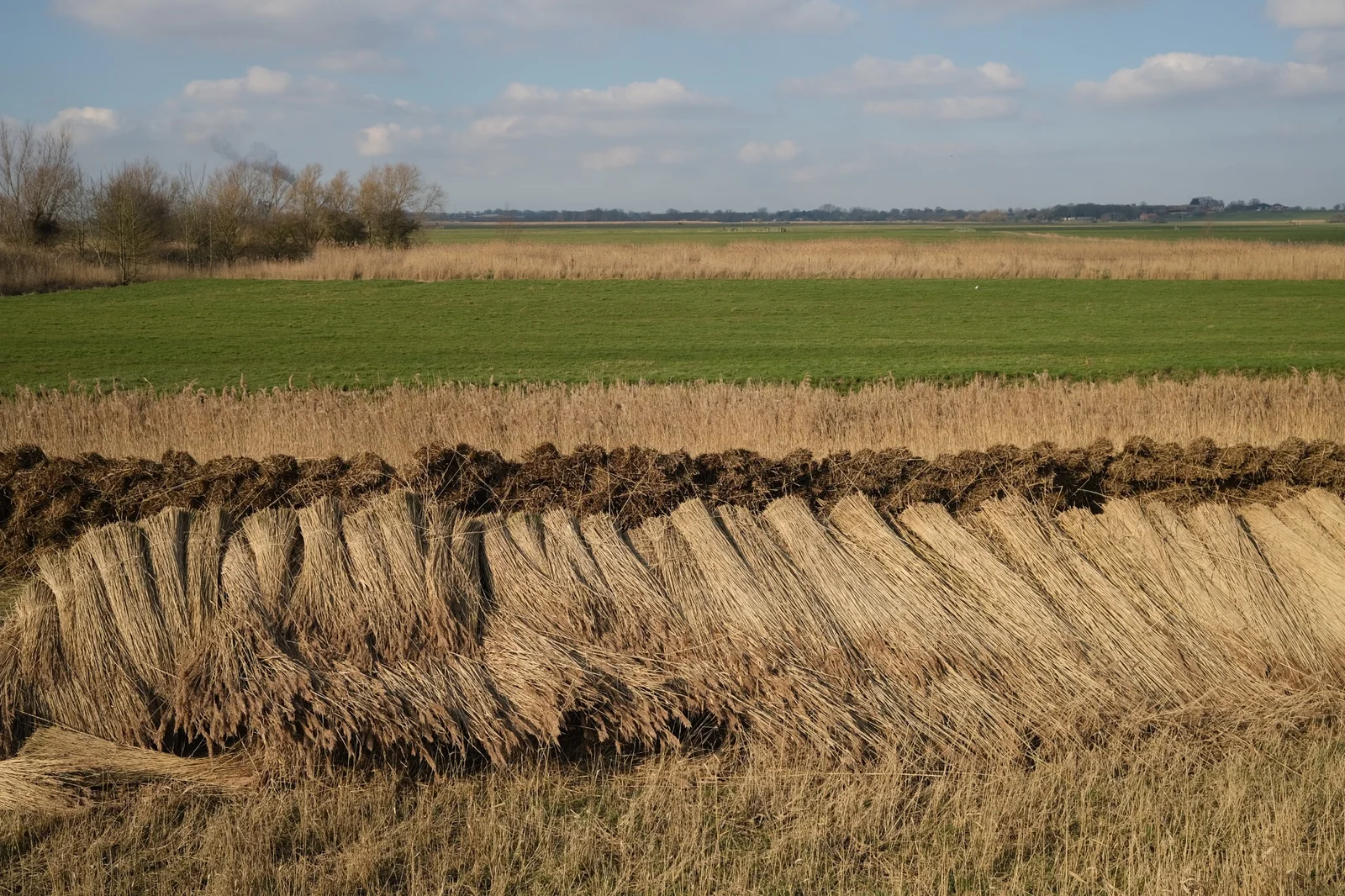
One of the things I value most about Norfolk and Suffolk is that the countryside is not merely scenery. It is a place where people live and work, and where farming, wildlife and the management of the land remain closely connected.
Fields of wheat and barley, ancient hedgerows, woodland, grazing marshes and quiet lanes give the region much of its character.
Deer move through woodland and farmland. Barn owls hunt over the grassland. Wading birds gather on the marshes, and the changing seasons bring their own rhythms to the countryside.
It is a landscape that rewards patience and curiosity. Spending time with someone who knows it well can reveal things that might otherwise pass unnoticed: the call of a bird, the signs left by deer, or the reasons a particular piece of land is managed as it is.
Traditional country sports are part of this rural life too, alongside farming, conservation and the enjoyment of wild food.
For me, the interest lies not just in the countryside itself, but in understanding the people, skills and traditions that help shape it.
Good food and good company
No introduction to the English countryside would be complete without its food and hospitality.
Norfolk and Suffolk have excellent local produce, from seafood landed along the coast to farm-grown vegetables, meat, cheeses and traditional ales.
Venison has a particular connection to the countryside, and its journey from the landscape to the table is something I am especially interested in sharing with guests.
But some of the most enjoyable meals need very little ceremony.
A leisurely lunch in a country pub, fresh seafood after a morning on the coast, or dinner in a welcoming hotel can be every bit as memorable as the day's activities.
The setting matters, of course, but so does the company. Some of my favourite memories of travelling have come from conversations around a table, often with people I had only just met.
I would like guests visiting Norfolk and Suffolk to have the opportunity to enjoy that same sense of welcome.
A few days in this part of England
Norfolk and Suffolk lend themselves particularly well to a stay of several days.
A morning might begin watching deer or birds with a knowledgeable local host, followed by lunch in a country pub. Another day could be spent sailing on the Broads, exploring the North Norfolk coast or visiting one of the region's historic houses.
There might be time to wander through Norwich, discover a Suffolk village or enjoy a quiet evening overlooking the river.
Some guests come with a particular interest in stalking, sailing or wildlife. Others simply want to experience a different side of England, away from the more familiar tourist destinations.
Through Private Countryside, I bring together experiences, suitable hosts, accommodation, transport and hospitality around the interests of each guest. A single day can be rewarding, but a longer stay gives the countryside, and the people you meet, time to leave a lasting impression.
An invitation to discover Norfolk & Suffolk
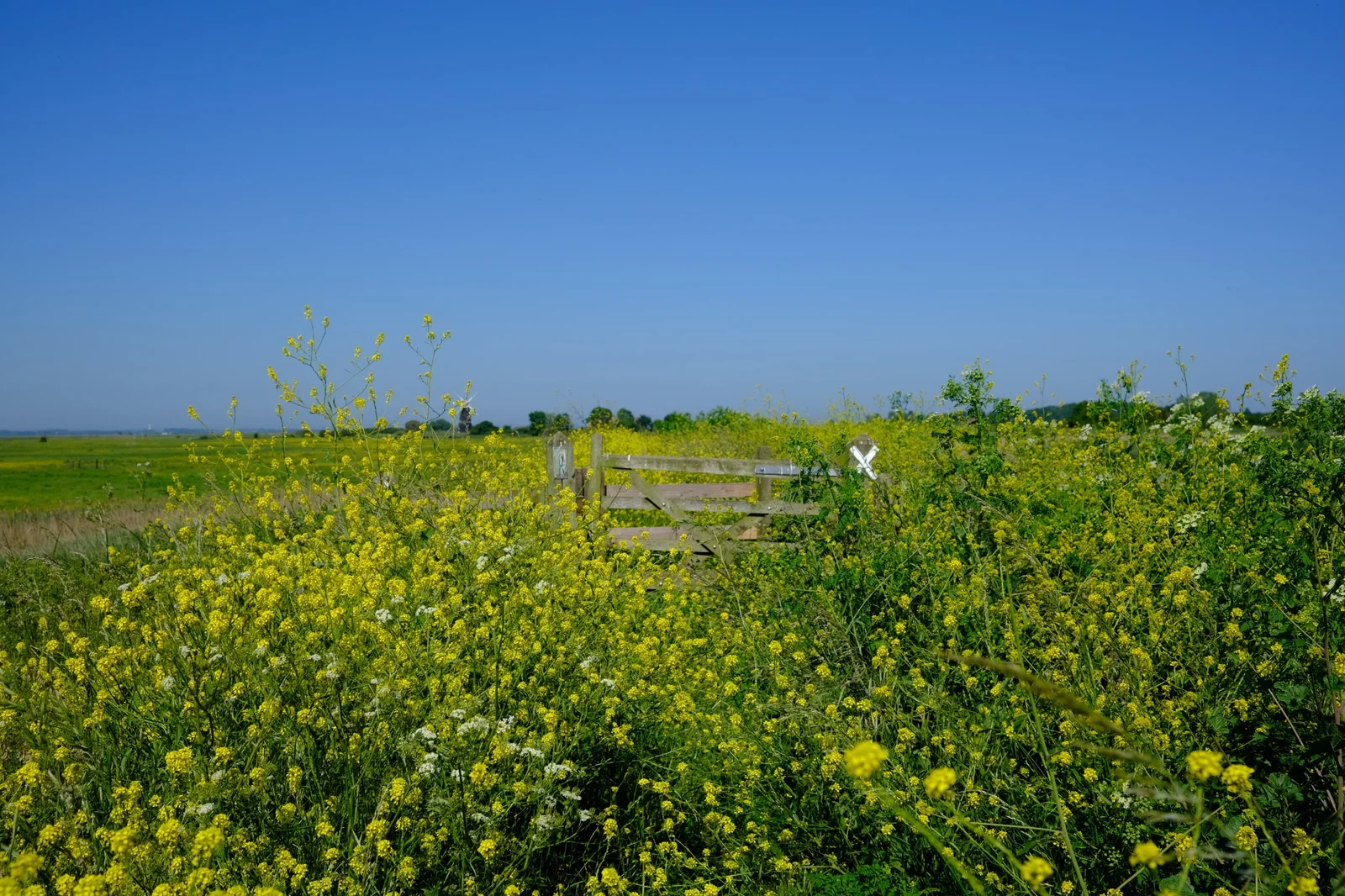
I have lived with this landscape for much of my life, yet it continues to surprise me.
Perhaps that is why I miss those great Norfolk skies whenever I am away. They remind me of the sense of space, the changing seasons and the quiet pleasures of a countryside I know and love.
It is a part of England I would be delighted to introduce you to.